
Cottage Grove Previous Residents by Era
Previous residents are reconstructed from layers with different time meanings. A telephone entry can show a published listing at a date. A recorded deed can show a title event. A census or obituary can give household or family context. Begin with a target address and target year, then label every observation by source and date. Do not fill an unverified year by guessing from the records on either side of it.
| Source | Years It Covers | Where Held | What It Shows |
|---|---|---|---|
| Cottage Grove telephone directories | 1915; 1948; 1958-2011 with gaps and variants | MNHS | Dated white-page or yellow-page listing and possible street continuity |
| Thompson Grove directories | 1960-1992 | MNHS | Historical locality variant and related listing trail |
| Deeds and mortgages | Online detailed records from 1984; earlier research-room trail | Washington County Recorder | Title events, parties, and legal description |
| Plats and surveys | Varies by subdivision | Recorder, Surveyor, and GIS | Lot, block, road, easement, and address framework |
| Local newspapers | Title and issue dependent | WCHS, library, and Stillwater archive | Notices, moves, obituaries, and dated local context |
| State and federal census material | Minnesota state census 1849-1905; federal material through library access | MNHS and library channels | Historical household and township context |
For a recent title question, begin with the parcel, PIN, and deed route. For an older family question, begin with the closest directory year or census period, then compare it to a newspaper, cemetery, plat, or title document. The lack of an official historical tax-card image range means an older card should be requested narrowly from Assessor or Taxpayer Services rather than assumed to be online.
Use every documented access channel when the online route stops: the Recorder research room for older land material, county service locations for property questions, library microfilm, WCHS research help, MNHS Gale Family Library access, and phone or mail where an office permits it. A focused Minnesota Government Data Practices Act request can ask for an existing record by parcel, date, or document number. It should not ask a custodian to assemble a new dossier of former occupants.
Cottage Grove Previous Residents Through Deed Records
The Washington County tax and GIS tools anchor the present parcel and its legal description. The Recorder's Property Records page directs title research to RecordEASE, but detailed abstract and Torrens material online is stated as 1984 to present. Earlier work belongs in the Recorder research room with tract cards, deed books, plats, and staff assistance. A recording party is not automatically a past resident.
- Search the county property system by the normalized street address or PIN and preserve the situs address, PIN, and legal description.
- Use the RecordEASE portal to locate the known instrument or search by grantor, grantee, legal description, or date after login.
- Record the document number, recording date, parties, document type, and prior-reference language from the instrument.
- Search the seller as a prior grantee and repeat the process backward, keeping deeds, mortgages, and satisfactions distinct.
- When the trail reaches the online boundary, ask the Recorder research room about older tract cards, deed books, plats, copies, or mail options.
- Grantor and grantee
- The grantor transfers an interest; the grantee receives it. Either role describes a recorded transaction, not residence.
- Chain of title
- The sequence of recorded title events connected through a parcel or legal description.
- Legal description
- The lot, block, plat, or survey description used to identify land when street names changed or did not yet exist.
Use county GIS and recorded plats to test whether the same legal parcel lies behind an old and new address. A mailing address, trust, estate, or entity on a tax display should remain separate from any evidence of who lived there.
Cottage Grove Previous Residents at the Construction Break
Cottage Grove changed quickly during the 1958 through 1960 construction period, when a historic evaluation reports 1,200 houses were built. This makes the 1958, 1960, and 1964 telephone volumes useful checkpoints, but not a continuous list. Compare a listing to a recorded plat, road layer, permit, or newspaper item before joining it to a house. The same street may have been added in stages, readdressed, or described by a rural route.
A Washington County map can show the parcel, road centerline, address point, and surrounding plat context. It is a geographic tool, not proof that an individual lived on the parcel. Cottage Grove permits and Agenda Center material can supply dated construction or project context, but an applicant or contractor is also a separate role from an occupant.
For permit context, use the official Cottage Grove permits route with the street number and street name guidance, or search the Agenda Center by street, subdivision, project term, date range, and category. An empty result has no stated coverage meaning, so retain it as a search note rather than proof that no work occurred.
Note: Compare a telephone listing with at least one independent dated record before describing a past connection to a Cottage Grove address.
Cottage Grove Previous Residents Under Older Names
Search both Cottage Grove and Thompson Grove for questions before 1992 because MNHS keeps those directory headings separately. For an older trail near Grey Cloud Island, also test Cottage Grove Township, Grey Cloud Island, Washington County, farm names, and rural-route wording. Eastern Grey Cloud Island was part of Cottage Grove Township until Grey Cloud Township formed in 1960. Later village and city changes also mean that a modern place label may not occur in the source.
Keep the historical wording in the research note, then add a current cross-reference only when a plat, map, recorder description, or official history supports it. This approach reduces false joins between similar streets or families. It also makes a negative result useful: record the spelling, locality heading, directory year, and collection searched rather than treating no match as proof that nobody lived there.
Cottage Grove Previous Residents in Directories and Census
Title history is only part of a household trail. The MNHS telephone volumes provide dated listings when available, and the Cottage Grove city directory collections page identifies their gaps and holding formats. State census materials from 1849 through 1905 and federal census research through MNHS or library channels can place a household in a township or ward. Neither source automatically maps to a modern street address.
Use a simple dated flow: directory year or census period, then a map or plat, then a newspaper or cemetery source, then a title document where available. The Stillwater Area Historic Newspaper Initiative supports searches by surname, street, farm, church, organization, subdivision, and legal-description phrase. Inspect an issue's date and context because a newspaper can repeat an address after a move.
- Choose one date and record the exact address or historical locality form.
- Check the closest telephone volume or census route for that period.
- Compare the geography with a plat, map, or legal description.
- Use a newspaper, obituary, cemetery, or school source as a separate corroborator.
Cottage Grove Previous Residents and Municipal Gaps
Municipal records can add context without becoming a prior-occupant list. Cottage Grove ePermit can be searched by record number or street guidance, and the Agenda Center can be searched by date, term, and category. Their coverage dates are not stated. A permit, agenda mention, or license file should be described by its record type, date, and role, never as a stand-in for a household.
Minnesota Secretary of State Business Search offers business-name or file-number searching, status options, prior names, and filing history.
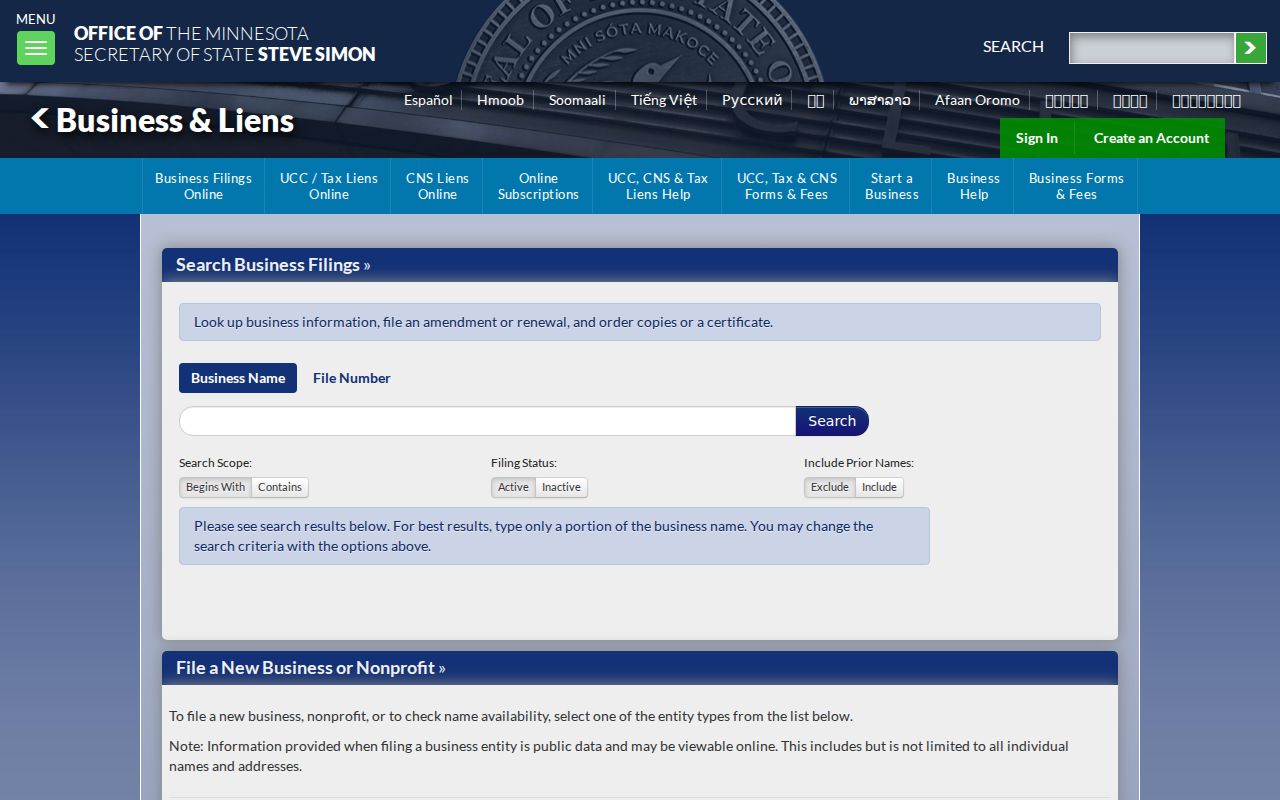
A filing can date an organization or show a registered-office trail, but it does not establish who lived at a Cottage Grove address.
The Cottage Grove City Clerk is the correct municipal contact for records and licensing categories, yet research found no public comprehensive local licensee-name directory.
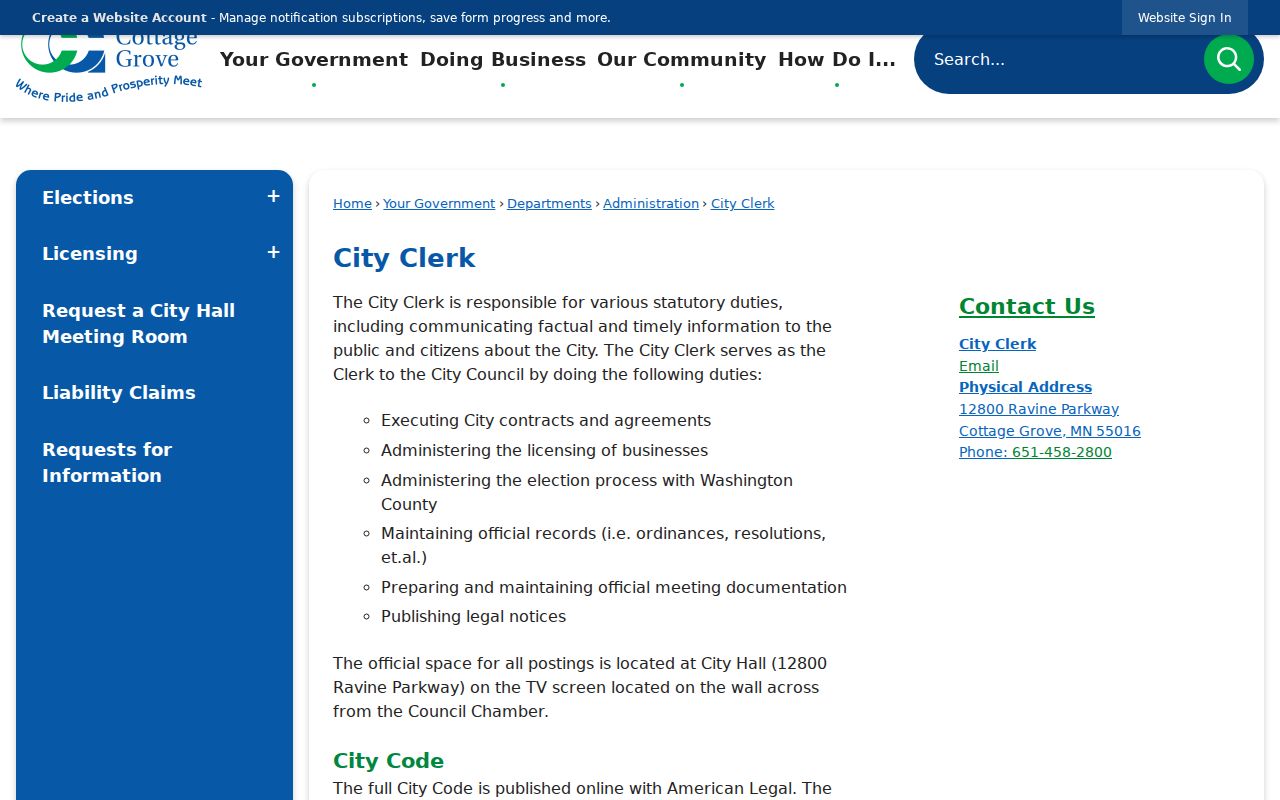
For a public municipal record, use a targeted request that names the license or permit type, date range, address, and fields sought under the Minnesota Government Data Practices Act.
Cottage Grove Previous Residents in Local Archives
When a dated household trail ends, WCHS provides the local archive route. Its Name Index requires a last name, accepts an optional first name, supports partial terms and spelling variations, and leads to source titles. Cemetery registers, biographical files, school material, Poor Farm records, newspapers, and photographs may establish a family or life-event connection. They do not by themselves establish a particular street address.
WCHS research indexes are the starting point for the cemetery and local-source route.
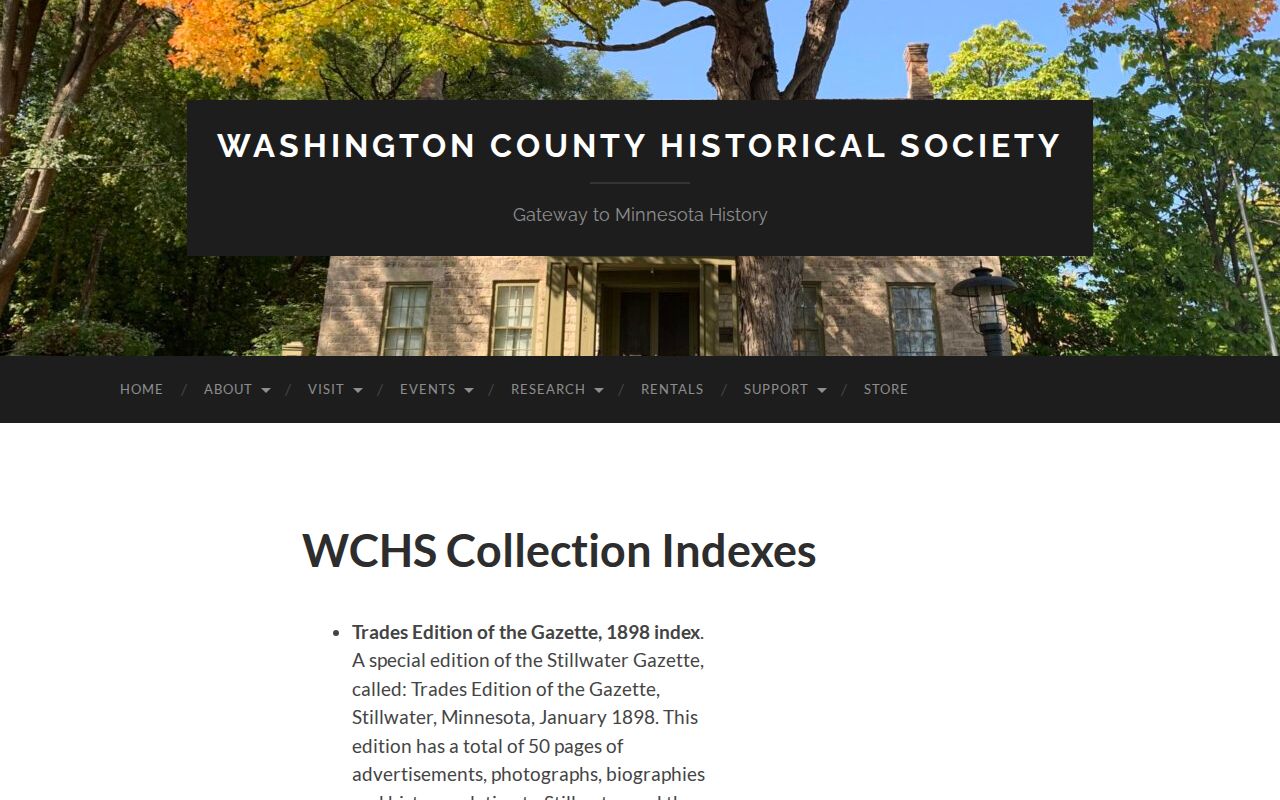
No dedicated public Cottage Grove interment lookup was located, so use the index, call or email WCHS, book research time, or request mail research for a specific name and source title.
Cottage Grove Previous Residents Research Boundaries
A reliable address history distinguishes a dated listing, a recorded owner, a family reference, and a mention in a public document. Keep a source log with the query, source URL, year, page or call number, record identifier, and an independent corroborator. Minnesota Safe At Home, protected-voter rules, sealed material, and restricted vital records can make an address absent by design. Leave those gaps unresolved.
A narrowly framed Cottage Grove records request should ask for an identifiable public record and date range, not for staff to create a list of people associated with an address.
When a record is missing, write what was searched and what its coverage allows. A pre-1984 online deed result, a restricted vital record, a protected address, or an unindexed volume is a limitation of the inspected route. It is not evidence that a person was never connected to Cottage Grove.